In channel-driven industries like manufacturing and FMCG, well-designed loyalty programs can significantly boost partner engagement and sales. One effective approach is a tiered loyalty program, which structures rewards in levels to motivate higher performance. In fact, the loyalty program market in India is booming – valued at $3.4 billion in 2023 and projected to reach $14.5 billion by 2033. This guide explains what a tiered rewards program is, why it works for channel partners, and best practices for designing a successful tiered loyalty structure. We’ll also look at examples from FMCG, automotive, pharma, and building materials industries, and show why Basiq360 is the best rewards management system in India for implementing these programs.
What is a Tiered Rewards Program?
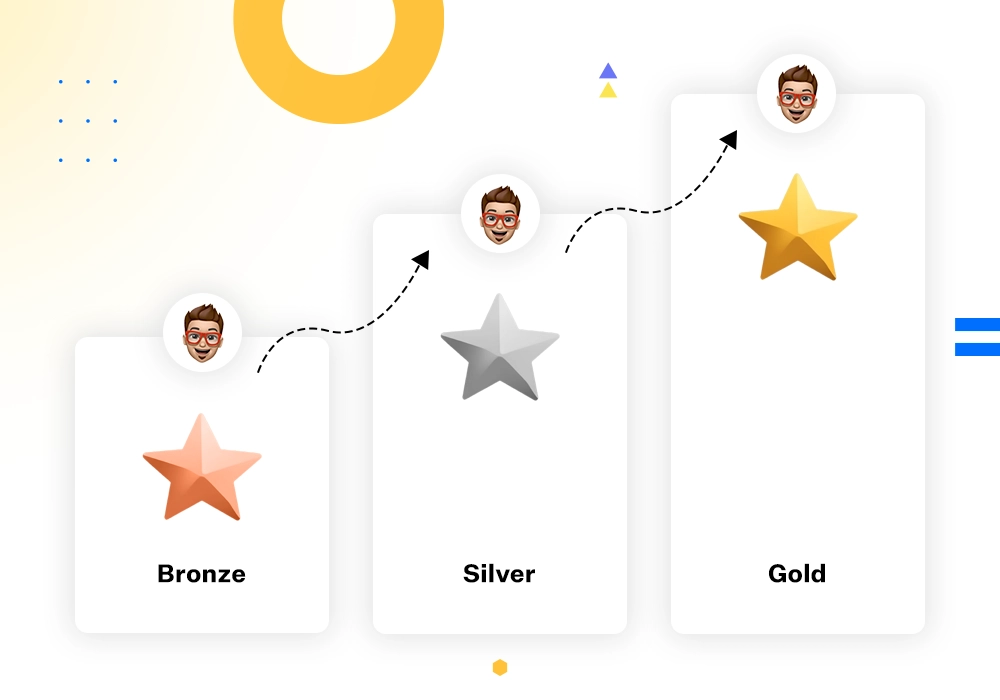
A tiered rewards program (or tiered loyalty program) is a structured incentive scheme with multiple levels of membership (tiers) offering progressively greater benefits as participants achieve higher status. Essentially, channel partners (such as dealers, distributors, retailers, or influencers) start at an entry tier and can advance to higher tiers by meeting specific criteria like sales volume or points earned. Each higher tier unlocks more exclusive or valuable rewards. Key characteristics of tiered programs include:
- Multiple Levels: The program is divided into clear tiers (e.g. Bronze, Silver, Gold), often named to denote status.
- Qualification Criteria: Advancement is earned through defined actions – for example, reaching a sales target, accumulating a certain number of points, or achieving specified milestones.
- Progressive Rewards: Higher tiers come with better perks – from bigger discounts and rebates to exclusive services, premium support, or early product access.
- Motivation to Advance: The tier structure encourages partners to engage more and “work on their loyalty” to reach the next tier and obtain better rewards.
- Clear Communication: Criteria for moving up and the benefits at each level are transparent, so participants understand exactly what they need to do and what they stand to gain.
In short, a tiered loyalty program creates a ladder of incentives. For example, a dealer might start at Standard Tier with basic benefits and aspire to reach Premium Tier where they receive higher rebate percentages, co-op marketing funds, and priority lead referrals. This structured approach contrasts with a simple points program by adding a status element that taps into partners’ competitive drive and desire for recognition.
Why Tiered Programs Work for Channel Partners
Tiered reward structures are especially powerful in channel partner programs (for dealers, distributors, influencers, etc.) because they directly align incentives with performance. Here are a few reasons these programs work so well in B2B channel contexts:
- Motivating Higher Performance: A tiered incentive program offers better rewards and perks to higher-tier partners, which encourages dealers and distributors to work harder to reach them. The more a channel partner sells or engages, the closer they get to the next tier’s rewards – creating a constant motivation to push for that “next level.” For example, knowing that hitting a quarterly sales goal could elevate a dealer from Silver to Gold tier (with, say, an extra 5% rebate and a free international trip) can strongly incentivize them to prioritize your products over competitors.
- Recognition and Exclusivity: Tiers confer status. Achieving “Gold” or “Platinum” partner status makes channel partners feel recognized and valued by your brand. This sense of exclusivity and achievement strengthens their emotional loyalty and commitment. High-tier members often enjoy perks (like priority support or exclusive events) that make them feel part of an elite group, which in turn reinforces their bond with the company.
- Increased Engagement & Loyalty: By design, tiered programs foster long-term engagement. Partners have clear, tangible goals to work towards continuously (to maintain or upgrade their tier). This leads to higher retention – engaged partners are less likely to switch to competing brands when they see ongoing rewards and status progression for staying loyal. In essence, tiered loyalty reduces churn rates by keeping distributors and dealers motivated and invested in the relationship.
- Driving Incremental Sales: Tiers naturally push partners to achieve more. Sales-based milestones and tier targets translate to increased purchase volumes and upselling. A well-structured program can lead to a 20–30% increase in sales from channel partners, according to industry benchmarks. The promise of reaching the next tier often results in dealers ordering that extra pallet of stock or focusing on your brand to hit bonus targets.
- Building Brand Advocacy: Top-tier partners frequently become brand advocates. When a dealer or influencer reaches the highest tier and enjoys top rewards, they’re not only loyal – they’re excited. These satisfied partners are more likely to actively promote your brand, share positive feedback, and refer others. As Basiq360 notes, a strong loyalty program can turn your most loyal influencers into brand advocates who amplify your reach and impact.
- Natural Partner Segmentation: An added benefit is that tiers segment your channel partners by engagement level. This allows you to tailor communications, training, and offers to each segment – for instance, providing extra coaching to lower-tier partners to help them improve, while giving top-tier partners early access to new product launches or strategic planning sessions. Such personalization is easier when partners are grouped by tier, ensuring relevancy in your support and marketing efforts.
In summary, tiered loyalty programs resonate with channel partners because they align with fundamental business goals (sell more, earn more) and psychological drivers (reward, status, competition). Next, let’s discuss how to design an effective tiered loyalty structure.
Best Practices for Designing an Effective Tiered Loyalty Program
Designing a tiered rewards program for dealers and influencers requires careful planning. The following best practices will help ensure your loyalty program is compelling, fair, and successful:
1. Determine the Right Number of Tiers
Deciding how many tiers to have is a crucial first step. While there’s no one-size-fits-all answer, most effective loyalty programs use 3 to 4 tiers. This range is popular because it provides enough gradation to motivate progress without overwhelming participants. Common structures include three tiers (e.g., Silver, Gold, Platinum) or four tiers (adding a Bronze or Diamond level).
- Keep Tiers Achievable but Exclusive: Each tier’s threshold should be challenging enough to feel like an accomplishment, yet attainable for motivated partners. If the first tier is too easy, it won’t feel special; if the top tier is impossible, partners may not even try. Aim for a balance where mid-level tiers can be reached by a good portion of partners with effort, and the top tier is reserved for your truly exceptional performers. Example: American Express’s Gold and Platinum dealer tiers might require steadily higher annual purchase values, ensuring only a select few attain the highest status – preserving its prestige.
- Prevent Tier Overcrowding: Monitor how many partners fall into each tier. The top tier should be relatively small to remain elite. If too many partners start reaching the top tier, you might need to adjust thresholds or introduce another tier to maintain differentiation. It’s better to have a compact group of top-tier partners who get white-glove treatment, versus half your base all sitting in “Gold” status and diluting its value.
In practice, start with a simple tier framework (three levels is a safe bet) and refine as you see partner distribution. Remember, the goal is to create a tier ladder that continuously drives partners to climb up without feeling unattainable.
2. Set Clear Qualification Criteria
For each tier, define exactly how partners qualify and retain their status. This could be based on sales volume, points earned, revenue contribution, or other performance metrics over a given period. Clarity is key – partners should instantly understand “What do I need to do to reach the next tier?”
- Use Measurable Metrics: Common criteria include annual sales value (e.g., ₹50 lakh sales to reach Gold), points (e.g., 10,000 loyalty points to reach Platinum), or transaction count, depending on what best aligns with your business. Choose metrics that are straightforward to track. Many programs tie tier status to points earned, effectively merging points and tiers: partners earn points for every purchase, and accumulating a certain number of points moves them up a tier.
- Define Timeframes: Decide if tier status is evaluated yearly, quarterly, or in real-time. Annual qualification is typical – e.g., a dealer earns Gold for the current year by meeting last year’s targets, but must re-qualify next year. Some programs do rolling periods or lifetime points. Make sure you also communicate what happens if a partner doesn’t maintain performance (e.g., will they drop tiers or have a grace period?). Having downgrade mechanisms for non-performance can encourage consistent effort, but be tactful and clear about how and when tier reviews occur.
- Transparency and Communication: Document the rules in a simple program guide or portal. For example, clearly outline how partners move from one tier to another and how the evaluation works. If using points, show how points translate to tier progression. If using sales figures, state the exact sales ranges for each tier. By eliminating ambiguity, you reduce queries and build trust in the program’s fairness.
Setting well-defined criteria ensures your partners see the path upward. It also helps internally – your team can more easily track progress and identify which partners are nearing the next tier (so you can give them an encouraging nudge as needed).
3. Differentiate Rewards for Each Tier
A tiered program’s effectiveness lies in making each tier meaningfully more rewarding than the last. Differentiation is critical: partners should clearly perceive the added value of reaching a higher tier. Best practices here include:
- Progressive Perks: Structure your benefits so that they increase in both quantity and quality at higher tiers. For instance, a basic tier might offer a small rebate on purchases and standard support, while the next tier offers a larger rebate plus marketing support funds. The top tier might provide the largest rebate, exclusive lead referrals, free product samples, invite-only events, or even luxury rewards (travel, gadgets, etc.). The key is that each step up feels like a significant upgrade.
- Mix Monetary and Non-Monetary Rewards: It’s not only about bigger discounts (though financial incentives like rebates, bonus commissions, or cashback are important). Higher tiers can also unlock non-monetary privileges: dedicated account managers, priority fulfillment, extended credit terms, co-branded marketing campaigns, advanced training, or certification programs. Some programs even offer top partners business-building support like joint customer events or store makeovers. For example, Cisco’s tiered reseller program gives Gold-tier partners access to special product lines and enhanced technical support not available to lower tiers.
- Exclusive Experiences: Consider incorporating special experiences for top tiers – this could be annual reward trips (a popular carrot in FMCG and paint industry schemes), tickets to industry conferences, or exclusive networking forums for high performers. These create emotional loyalty and a sense of community among top-tier partners.
- Visible Status Markers: Part of the “reward” is recognition. Provide tangible symbols of status – e.g., plaques or certificates, digital badges on your partner portal, or listing top-tier partners on your website. These tokens reinforce achievement. For instance, a Platinum Dealer Club plaque in a distributor’s office can boost their pride and also signal to their customers that they are a valued partner of your brand.
Design your tier benefits package such that a partner really doesn’t want to miss out on what the next tier offers. As one channel loyalty expert advises: “Design an incentive structure that matches the goals you want to achieve with rewards your distributors will want to get.” In other words, make the rewards compelling and aligned to partner needs (e.g., if your dealers value quick cashflow, then a higher-tier fast payout bonus will be enticing; if they value knowledge, then top-tier exclusive training works well).
4. Communicate and Engage Continuously
Launching the program is only half the battle – ongoing communication and engagement are vital for success. If partners are not fully aware of the program’s workings or their current status, the tiered structure loses impact. Ensure you:
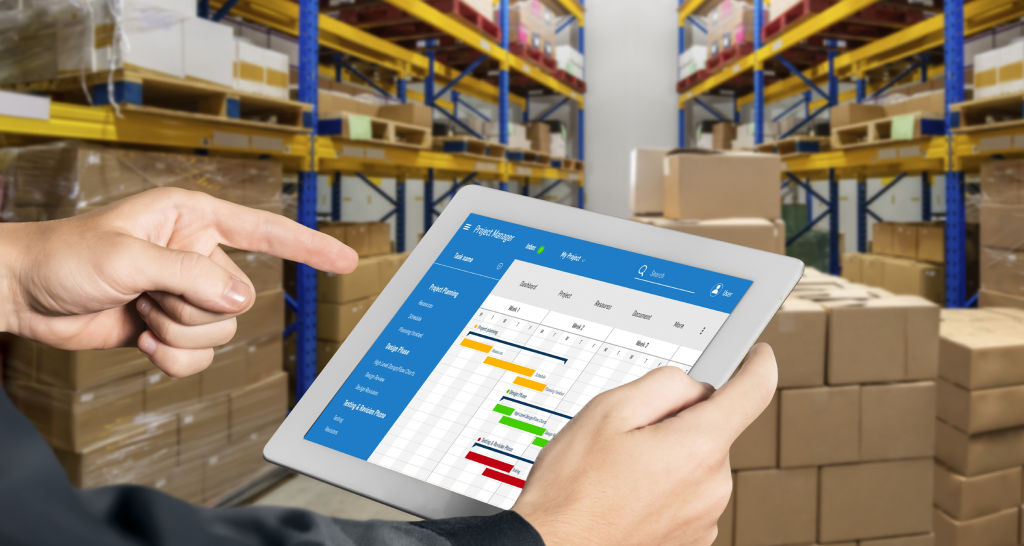
- Provide a User-Friendly Platform: Use a digital rewards management system or portal where partners can easily check their tier status, points, and upcoming targets. Many modern loyalty platforms (like Basiq360) include partner dashboards or mobile apps where dealers can track their progress in real time. This transparency keeps them engaged and accountable. For example, Asian Paints’ dealer app allows paint contractors to see how many points they need to reach the next reward tier and what rewards await.
- Educate and Remind: Clearly explain the program rules and benefits from the outset (through kickoff meetings, webinars, or simple one-pagers). Then maintain regular communication: monthly newsletters highlighting success stories, SMS updates like “You’re just 10% away from Gold tier – keep going!”, and in-app notifications about new rewards or tier status changes. Effective communication cannot be underestimated – be very clear about how the program works and the benefits of participating. When partners understand exactly how to earn rewards and what those rewards are, they are more likely to stay active.
- Personalize Messaging by Tier: Tailor your communications to each tier’s audience. For instance, you might send your top-tier partners a personal thank-you from an executive and a preview of next quarter’s product releases (making them feel like insiders), while entry-tier partners might get motivational tips on how to boost sales to reach the next level. By segmenting communication based on tier levels, you ensure relevance and show that you recognize partners’ status.
- Celebrate Achievements: When a partner advances to a higher tier, congratulate them publicly (if appropriate) and reward them promptly. Small gestures like a “welcome kit” for new Gold members or a shout-out at your annual dealer meet can go a long way. Similarly, if a partner maintains top tier for a consecutive year, acknowledge that loyalty. This positive reinforcement energizes not just the achiever but also inspires others.
Remember, a tiered program should not be a static “set and forget” scheme. It should feel like a living, interactive experience for partners – one where they continually receive feedback, encouragement, and recognition as they engage.
5. Incorporate Gamification for Engagement
To further drive participation, consider adding gamification elements to your tiered program. Gamification introduces game-like features that make the experience more fun and competitive, beyond the core financial incentives. For channel partners who are often sales-driven and competitive by nature, this can be a perfect fit. Some ideas:
- Badges and Milestones: Award digital badges for specific achievements (e.g., “Quarterly Star – achieved 100% of target for 3 months straight” or “Elite Influencer – referred 5 new customers”). Partners can collect and display these badges in their portal profile, adding a layer of pride and accomplishment.
- Leaderboards: Publish rankings, such as top 10 dealers by points earned this quarter. This taps into competitive spirit – nobody wants to be left off the leaderboard if they can help it. Leaderboards can be overall or segmented by region to encourage local competition.
- Challenges and Quests: Create short-term challenges that complement the tier goals. For example, a challenge like “Sell 50 units of Product X this month to earn a bonus badge and 500 extra points” can spike engagement. This works well to promote specific product lines or off-season sales. Those points in turn help partners progress to the next tier faster, tying back into the tier structure.
- Interactive Games: Some advanced loyalty platforms allow mini-games or spin-the-wheel contests within the app for partners to win small prizes or bonus points. These add a fun break to routine and keep users returning to the app. While not directly related to tiers, they boost overall program stickiness.
- Social Sharing or Community: Encourage partners to share their achievements (tier upgrades, badges earned) on internal forums or even social media (if appropriate). Building a community around your program – say a Facebook or WhatsApp group for your dealers – where they can celebrate successes and exchange tips, can create peer motivation. Top performers might share how they reached Platinum, inspiring others.
The idea is to make the loyalty program engaging, not just transactional. Basiq360’s loyalty software, for instance, supports gamification elements like badges and interactive games to boost partner motivation. By infusing game mechanics, you turn your program into a dynamic experience that partners will want to participate in regularly, not just at the end of the quarter when it’s time to tally points.
6. Monitor, Measure, and Refine the Program
Finally, treat your tiered loyalty program as an evolving strategy. Regularly analyze its performance and gather feedback:
- Track Key Metrics: Monitor participation rates (how many partners are active vs. eligible), tier movement (are partners progressing or stagnating?), redemption rates of rewards, and, of course, the impact on sales and retention. If certain tiers are under-populated or if a majority of partners are stuck in the lowest tier, those are flags to review your thresholds or support.
- Solicit Partner Feedback: Periodically ask your channel partners how they feel about the program. Which rewards do they value most? Are the targets reasonable? Is the process easy? Frontline feedback can reveal pain points or ideas for improvements.
- Optimize Tiers and Rewards: Use data and feedback to fine-tune the structure. You might find you need to adjust tier qualifications (e.g., lower the target for an entry tier if very few reached it, or increase a target if too many did too easily). Similarly, refresh rewards to keep things exciting – introduce new reward options or swap out underutilized ones. The goal is to ensure the program stays profitable for you and motivating for partners. An effective tiered program should drive incremental revenue that outweighs its costs while keeping partners delighted.
- Leverage a Management Tool: Managing tiers, tracking countless partner transactions, and updating statuses can be complex. This is where a robust rewards management system becomes invaluable (more on this shortly). Automated solutions can track points and sales in real time, trigger tier upgrades, and generate analytics reports to simplify program management. They also reduce administrative errors that might otherwise erode partner trust.
By continuously monitoring and refining your loyalty program, you’ll ensure it remains a win-win: growing your channel sales and strengthening relationships, while providing an engaging, rewarding experience for your partners.
Examples of Tiered Loyalty Programs in Key Industries
To see tiered channel programs in action, let’s look at how various industries utilize them to drive partner engagement and performance. Many sectors with extensive dealer/distributor networks have implemented successful tiered loyalty structures:
- FMCG (Fast-Moving Consumer Goods): Major consumer goods companies use tiered programs to motivate distributors and retailers. For example, Unilever’s trade loyalty program rewards retailers for achieving sales targets and maintaining stock levels, offering incentives like cash bonuses, co-op marketing support, and early access to new product launches. This encourages small retailers to push Unilever products over competitors. Similarly, Hindustan Unilever’s Shakti dealer initiative provides performance-based cashback and even business development support for high-performing rural dealers, ensuring loyalty across its vast network.
- Automotive: Vehicle manufacturers often have tiered incentive structures for their dealership networks. General Motors, for instance, has a dealer loyalty program that rewards dealerships based on sales performance and customer satisfaction scores. Top-tier dealers can earn significant bonuses, greater marketing fund support, and priority allocation of new models. In India, Hero MotoCorp’s “Hero Connect” dealer program links incentives to monthly and annual sales targets, and offers exclusive networking events for its top-tier dealers. These programs drive dealers to sell more vehicles and maintain service quality to enjoy premium benefits.
- Pharmaceuticals: Pharma and medical device companies rely on distributors to reach hospitals, pharmacies, and clinics. They use tiered incentives to ensure focus on their products. For example, Philips Healthcare runs a distributor loyalty program where partners earn rewards for meeting sales milestones and completing product training, in line with compliance standards. High-tier distributors receive performance bonuses, access to exclusive product lines, and added marketing support. This approach not only boosts sales of Philips equipment but also ensures distributors are knowledgeable (through training incentives) – a crucial factor in healthcare. Many pharma companies similarly tier their wholesalers, granting top-tier status to those who consistently achieve targets, which might come with perks like higher rebate percentages or priority supply during new product launches.
- Building Materials: In construction and building materials, loyalty programs aim to secure contractor and retailer loyalty in a competitive market. Asian Paints’ “Color Next” dealer program is a great example of gamification and tiers in this space. Dealers earn points on paint purchases, and as they accumulate points, they unlock higher-tier rewards such as international trip incentives, high-end gadgets, and other premium perksi. The program also offers free training modules and a mobile app for tracking points, effectively gamifying the sales process for painters and retailersi. Another example, Tata Steel’s Aashiyana loyalty program, gives dealers points for every purchase redeemable for cashback or travel, and provides top-tier members benefits like health insurance and financial aid – combining business rewards with personal benefits to engender deeper loyalty. In the hardware/tools retail segment, Home Depot’s Pro Xtra in the U.S. similarly offers tiered perks (e.g. bigger volume discounts, dedicated support, job-site delivery services) as contractors spend more, a model that building material suppliers in India are also adopting.
These examples illustrate how tiered loyalty schemes are tailored to each industry’s dynamics. Whether it’s selling soap or steel, the core idea is the same: segment partners by performance and reward those who contribute the most with the most attractive benefits. This not only boosts sales in the short term but also builds long-term channel relationships, as partners feel invested in a growth journey with the brand.
Basiq360 – The Best Rewards Platform in India for Tiered Programs
Designing and managing a tiered loyalty program might sound complex, but with the right technology partner it becomes much easier. Basiq360 is a leading loyalty and rewards management system that has been purpose-built to handle sophisticated channel incentive programs in the Indian market. In fact, Basiq360 is recognized as the best rewards platform in India for dealer and influencer loyalty, offering a robust feature set to automate and streamline your tiered program.
Why Basiq360 for Tiered Loyalty: Basiq360 Loyalty Management Software is an end-to-end solution designed to engage and reward channel partners – including dealers, distributors, retailers, and influencers – through a seamless, automated ecosystem. Here are some of the standout features that make it ideal for tiered programs:
- Tier Automation & Flexibility: Basiq360 allows you to build sophisticated tiered loyalty structures with custom rules. You can configure multiple tier levels, define the qualification criteria for each, and the platform will automatically track partner progress and move them between tiers based on the rules. This automation eliminates manual tracking errors and ensures every partner is in the correct tier in real time. You can also easily adjust tier parameters as your strategy evolves.
- QR Code-Based Tracking: The platform offers a powerful QR code-based points system for effortless data capture. Partners can scan QR codes on products or invoices to instantly record their sales and earn points. Even if your products themselves aren’t QR-coded, Basiq360 supports easy methods for partners to submit sales (like uploading receipts). This real-time tracking means no sale goes uncounted – a crucial factor for accurate tier calculations.
- Instant Digital Payouts: Basiq360 supports flexible and instant reward redemption options, including direct UPI transfers and Paytm wallet credits. This is a game-changer for channel programs: rather than waiting for quarterly rebate checks or gift vouchers, your partners can redeem their points for cash rewards instantly, at their convenience. Quick, convenient rewards (whether cash, bank transfers, or even a catalogue of merchandise) keep participants happy and engaged. The system is integrated with popular Indian payment channels, ensuring seamless payouts.
- Gamification and Engagement Tools: Gamification is built into Basiq360. You can incorporate badges, leaderboards, and interactive in-app games to make the program more lively. For example, award digital trophies when a dealer hits a new tier or runs a limited-time spin-to-win contest for bonus points – all handled within the app. The platform’s engaging in-app experience helps foster deeper partner loyalty and advocacy, ensuring your program stays far from static or boring.
- Personalized Communication: Basiq360 includes communication features to keep your channel partners informed. You can send push notifications through its white-label mobile app, trigger automated congratulatory messages when someone moves up a tier, and share updates about new schemes or promotions. The real-time reward tracking and centralized dashboard means both your team and the partners always have a clear view of performance.
- Analytics and Insights: A major advantage of using Basiq360 is the analytics dashboard. It provides real-time reports on scheme performance, partner activity, and redemption patterns. You can quickly see how many partners are in each tier, identify top performers, and measure ROI of the program. These insights help in continuously optimizing the loyalty strategy – for instance, spotting if a particular region’s partners are not engaging and then drilling down to address it.
- Quick Deployment and Customization: As a cloud-based solution, Basiq360 can be deployed rapidly and tailored to your industry needs. It’s built by experts who understand channel-centric businesses, which means common scenarios (like distributor claims, influencer referral tracking, etc.) are already accounted for. The platform is also highly scalable – whether you have 100 partners or 100,000 partners, the system can handle the load and complexity.
Several leading enterprises across FMCG, automotive, building materials, and pharmaceuticals have already chosen Basiq360 to power their loyalty programs (the company’s client roster attests to its versatility). By focusing on ease of use for both administrators and partners, Basiq360 ensures higher program adoption and satisfaction. It effectively “drives measurable business growth and enriches partner engagement” by simplifying loyalty operations and adding a layer of tech-driven intelligence.
If you’re seeking the best rewards management software in India to implement a tiered loyalty program, Basiq360 is a compelling choice. Its combination of tier automation, QR tracking, instant payouts, and gamification support makes it uniquely suited to Indian market needs and preferences. With Basiq360, you can launch a cutting-edge loyalty program that not only incentivizes your channel partners but also provides you with control and insight every step of the way.
Conclusion and Next Steps
A tiered rewards program can be a game-changer for companies in channel-heavy sectors. By structuring incentives into achievable levels, you tap into your dealers’ and influencers’ competitive spirit, driving them to go the extra mile for greater rewards. As we’ve seen, the best programs balance clear design (tiers, criteria, differentiated rewards) with ongoing engagement and the right technology backbone. When done right, a tiered loyalty program doesn’t just increase sales – it builds stronger relationships, brand loyalty, and a network of partners who feel motivated and appreciated.
Ready to elevate your channel performance with a tiered loyalty strategy? Don’t leave it to manual effort. Equip yourself with a robust platform that automates and enhances every aspect of your program. Basiq360, the best rewards platform in India, is here to support your journey. From setting up tiers to real-time tracking and rewards fulfillment, we’ve got you covered.
Take the next step: Contact Basiq360 for a free demo and discover how our rewards management system can help you design and launch a tiered loyalty program that drives growth and loyalty across your dealer and influencer network. Empower your channel partners today – and watch your business reap the rewards!