The plywood and laminate sector in India is the backbone of interior infrastructure, but it operates through a complex web of manufacturers, distributors, dealers, and retailers. In such a relationship-driven market, loyalty isn’t just nice to have – it’s essential for sustained growth and competitive edge. This blog explores why a structured loyalty management program is a game-changer for plywood and laminate businesses, addressing channel dynamics, challenges, and the benefits of digital solutions like Basiq360. We’ll also look at features (QR codes, tiered rewards, mobile apps, etc.) that can transform how stakeholders engage, and why now is the perfect time to adopt a digital loyalty strategy.
The Distribution Chain in Indian Plywood & Laminates: A Relationship-Driven Network
From lumber mills to factories to distributor warehouses and retail shops, a sheet of plywood or laminate travels a long journey before reaching the end customer. Typically, a manufacturer supplies products to regional wholesalers or distributors, who in turn sell to local dealers (sometimes via sub-dealers) before the material is finally sold to contractors, carpenters, or homeowners. Each link in this chain – manufacturer, distributor, dealer, retailer – plays a crucial role in pushing products downstream.
Relationship dynamics are paramount in this chain. Manufacturers and big brands invest heavily in nurturing their channel partners through regular communication, trade schemes, and personal rapport. Plywood and laminate are often seen as commodity products, so brands strive to stand out by building long-term bonds with those who sell or influence their products. For example, industry leaders like Greenply and Century Ply have teams focusing on channel relationship programs as a strategic priority. A strong relationship can mean the difference between your laminate being recommended to a customer versus a competitor’s product sitting next to it on the dealer’s shelf.
However, these relationships historically have been maintained through informal means – occasional discounts, annual meets, or ad-hoc gifts. In an unorganized market, many dealers handle multiple brands, and their “loyalty” may shift with each new scheme or price cut. This makes it challenging for any one brand to remain the preferred choice consistently. Enter loyalty management: a structured approach to solidifying these relationships by aligning the interests of each channel partner with the brand’s success.
Challenges in Building Channel Loyalty for Plywood & Laminates
Despite the importance of loyalty, companies in this sector face stubborn challenges in cultivating it. Some of the most common hurdles include:
- Price Sensitivity in a Commoditized Market: A large segment of plywood buyers (and by extension, the dealers serving them) are highly price-conscious. In the lower-end segment, customers are extremely price sensitive and consider quality a secondary factor, treating plywood or laminate as an interchangeable commodity. This price-driven mindset trickles up the chain – dealers will readily switch to whichever brand offers the cheapest deal or highest margin at the moment. Low product differentiation (a 19mm waterproof plywood sheet from Brand A often feels the same as one from Brand B) means brand loyalty can be fragile.
- Low Brand Differentiation & Switching: In India’s plywood/laminate market, hundreds of manufacturers compete, but their offerings appear similar to channel partners. With relatively low brand differentiation, dealers and distributors don’t always feel a compelling reason to stick to one brand. They frequently multi-brand – stocking and selling multiple companies’ products – and may shift focus if a rival brand launches an attractive scheme. A recent industry study found that 61% of channel partners feel “trapped” with their current brand not because of true loyalty, but due to a lack of better alternatives, highlighting how tenuous commitment can be. In such an environment, a minor incentive elsewhere can lure a dealer away, making consistent loyalty hard to achieve.
- High Channel Churn & Influencer Drift: Manufacturers often grapple with retailer or dealer churn and disengaged partners, especially when incentives run dry. Carpenters and contractors (key influencers for end customers’ brand choice) might also shift their preferences based on personal rewards from different companies. If one company sponsors an international trip this year, the influencers might push its products, but next year another company’s reward might win them over. This constant tug-of-war underscores the need for ongoing engagement to prevent loyalty from evaporating once a scheme ends.
- Inefficient Manual Incentive Systems: Traditionally, loyalty schemes in this industry were run through paper coupons, physical scratch cards in laminate sheets, or spreadsheet tracking of sales and rewards. These manual incentive systems are prone to errors, fraud, and delays, leading to frustration for both the company and partners. It’s not uncommon to hear of dealers misplacing coupon codes or waiting months for reward redemptions. Such inefficiencies dilute the marketing ROI of loyalty initiatives. Moreover, sales teams end up spending time sorting out scheme claims and disputes, instead of focusing on growth. Without a more efficient system, even well-intentioned loyalty programs can result in a brand becoming “just another option rather than a preferred partner” in the dealer’s eyes.
The net effect of these challenges is a channel environment where loyalty is fickle and brand-switching is rampant. To break this cycle, plywood and laminate businesses need to go beyond reactive schemes and invest in a structured solution that continuously engages and rewards their channel partners.
Why a Structured Loyalty Program Matters
Implementing a structured loyalty management system can turn these challenges into opportunities. When done right, a loyalty program aligns the channel’s interests with the brand’s goals, creating a win-win for manufacturers, distributors, dealers, and even influencers. Here are key benefits of a well-designed loyalty program for the plywood and laminate industry:
- Higher Dealer & Distributor Retention: A structured program gives channel partners tangible reasons to stay loyal. Rewards points, tier status, and exclusive perks create switching costs – a dealer who has accumulated points or reached “Gold” tier with one brand will think twice before moving to another. The impact on retention can be dramatic. For instance, Merino Laminates reported that nearly 70% of its channel partners have been with the company for over five years, crediting its loyalty and incentive initiatives for this longevity. By continuously motivating repeat sales and sustained loyalty, a good program turns one-time buyers into long-term partners.
- Improved Data Visibility & Market Insights: A digital loyalty platform tracks every purchase and redemption in real time, providing the manufacturer with unprecedented visibility into the channel’s behavior. Instead of relying on month-old distributor reports, companies can monitor scheme performance live on a dashboard. Real-time analytics show which products are selling fast, which regions are lagging, and which dealers are most engaged. This data is gold. It enables proactive decisions – for example, adjusting a scheme mid-way if uptake is low, or identifying which dealer might defect and intervening early. Enhanced visibility also means transparency for partners: when dealers can see their own performance and points on a mobile app, trust increases. Overall, data-driven loyalty management makes the channel far more predictable and manageable, replacing guesswork with actionable insights.
- Sales Growth and Bigger Wallet Share: Loyalty programs are ultimately about driving sales — and they do. By tying incentives to sales milestones or targets, manufacturers can nudge channel partners to sell more of their product. Common in this industry are schemes like “Sell X number of sheets for Y reward,” which can spike short-term sales. But beyond periodic spikes, a continuous loyalty program encourages dealers to gradually shift a greater share of their business to one brand. They have a reason to recommend your plywood to that contractor who walks in, even if a competing brand is slightly cheaper, because they’re earning points or progressing to the next reward tier. This results in increased wallet share for the brand and top-line growth. Companies that have deployed modern loyalty platforms have seen tangible results – one leading building-material brand noted that 75% of its dealers began transacting regularly on its loyalty app, driving steady sales increases, once the program was in place. When partners are rewarded for every sale, every sale tends to be higher.
- More Predictable Channel Behavior: With higher engagement and data visibility comes more predictability. Loyal dealers provide more consistent business, allowing manufacturers to forecast demand more accurately and manage inventory better. The channel behavior becomes more stable – there are fewer surprise stockouts or gluts caused by a dealer suddenly pushing a different brand. A loyalty program also standardizes the “give-and-take” between a company and its channel. Instead of ad-hoc discounts or arbitrary favors, there’s a defined system of rewards. This makes channel incentives more transparent and predictable for all parties. When a dealer knows that achieving a 10% sales growth this quarter will earn them a certain bonus or trip, they can plan and invest accordingly. Likewise, the manufacturer can budget for incentives with clarity on the ROI. Predictability in the channel leads to better planning, more efficient operations, and ultimately a healthier bottom line.
- Stronger Partner Engagement and Advocacy: A well-run loyalty program doesn’t just retain partners – it can turn them into brand advocates. By continually engaging dealers, distributors, and even carpenters through rewards (and often training or content), you deepen their connection to the brand. Engaged partners are more likely to promote your products to customers, because they feel invested in your success. Over time, the most loyal dealers and influencers start to act like an extended arm of your sales team – the kind of partners who will gladly give testimonials, refer other clients, or pilot new product launches. Basiq360’s approach, for example, focuses on turning “loyal influencers into brand advocates” through personalized incentives and gamified engagement. In a market where word-of-mouth and trust matter (contractors often ask dealers, “Which laminate do you recommend?”), having passionate advocates at the grassroots level is invaluable. Additionally, loyalty platforms often include communication channels (in-app messages, news updates) that keep partners in the loop, thus strengthening the emotional bond and alignment between the brand and its channel.
In summary, a structured loyalty management system transforms the channel from a transactional network to a collaborative ecosystem. It addresses the pain points of churn, opacity, and unpredictable sales with solutions that benefit both the business and its partners. The next step is understanding how exactly to implement such a system – and that’s where modern digital platforms like Basiq360 come into play.
Loyalty in Action: How Basiq360’s Features Address Industry Needs
Designing and managing a loyalty program might sound daunting, but platforms like Basiq360 Loyalty Management Software are purpose-built to make it seamless. Basiq360 is already helping many Indian plywood, laminate, and building material companies run high-impact channel loyalty programs. Let’s look at some specific use cases and features of Basiq360 that align perfectly with the needs of this industry:
- QR Code–Based Reward Tracking: One of the biggest challenges for plywood/laminate brands is verifying sales at the last mile. Basiq360 uses unique QR codes on products or invoices that dealers/contractors can scan to instantly earn points for their purchases. This scan-based point system ensures a frictionless, fraud-proof way of tracking secondary sales. For example, when a contractor buys Stylam laminate sheets, they scan a QR code on each sheet’s label to earn rewards – a system now being adopted by leading brands (Stylam’s newly launched loyalty app for contractors is a case in point). QR tracking not only rewards the right person, but also gives the company real-time data on product movement. No more manual coupon cutting or fake sales reporting – each scan is tied to an actual sale, ensuring transparency and reducing fraud.
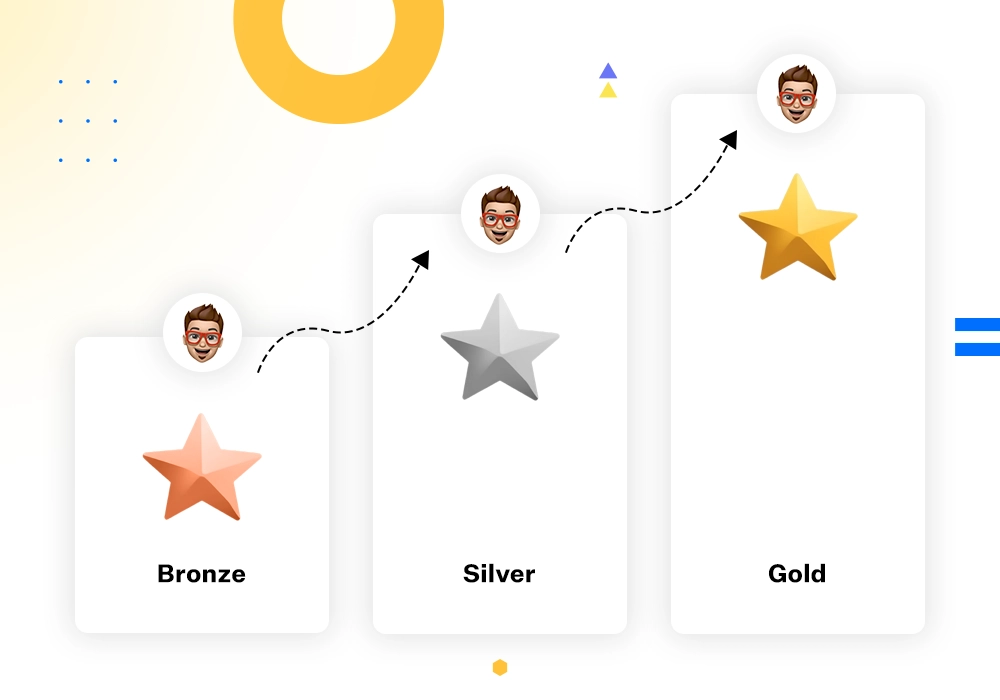
- Tiered Rewards and Gamification: Basiq360 allows brands to set up tiered loyalty programs (e.g., Silver, Gold, Platinum dealers) and incorporate gamified elements like badges, leaderboards, or milestone rewards. This is especially effective in keeping partners motivated over the long term. Dealers love a bit of competition – if they know that achieving a sales target will move them from Silver to Gold status (with extra benefits at each tier), they strive that much harder. Plywood companies have done this manually for years (recall Century Ply’s “Club One” elite tier for top dealers, which included special training trips); now it can all be managed in an app, with points and tier progress updated in real time. Gamification elements such as achievement badges or quizzes about product knowledge (with bonus points) add fun to the process, keeping partners engaged beyond just transactions.
- Flexible Scheme Management: The market is dynamic – maybe this quarter you need to push veneer plywood sales in North India, and next quarter it’s about new laminate designs in South India. Basiq360’s platform lets you configure diverse incentive schemes easily. You can customize bonus points or rewards by product category, time period, region, or even specific partner segments. For instance, a manufacturer can run a three-month regional promo: double points on all waterproof plywood sales in Maharashtra during the monsoon season. Or create a new product launch incentive: first 100 dealers to sell 50 sheets of a new laminate design get a special bonus. Traditionally, managing multiple schemes like these simultaneously would be a nightmare on spreadsheets; with an automated system, it’s plug-and-play. This flexibility means your loyalty program stays aligned with business goals and seasonal market needs without extra overhead.
- Mobile App Engagement: In today’s world, if it’s not on a smartphone, it’s not going to fully catch on – especially with younger generation entrepreneurs running many dealerships. Basiq360 provides white-label mobile apps for Android/iOS that brands can deploy to their channel partners. The app becomes a one-stop hub for the loyalty program: partners can register and see their points, tier status, and rewards catalogue anytime. It also doubles as a communication channel – broadcasting new schemes, product launches, or educational content. This mobile-first approach has proven very effective. Stylam’s “Leaders of Stylam” app for contractors, for example, not only lets users scan QR codes for points but also provides product info and updates on the latest designs. Easy mobile access drives up participation: in one case, 90% of dealers activated their profiles on a loyalty app within two months of launch. When engagement is literally in the palm of their hand, partners are far more likely to interact regularly with your program.
- Seamless SFA and ERP Integration: A loyalty program shouldn’t exist in a silo. Basiq360 can integrate with your Sales Force Automation (SFA) system and ERP, ensuring that sales data, orders, and loyalty points all sync up. This means, for instance, when a distributor’s order is billed in the ERP, the loyalty points can be auto-calculated and credited, without manual intervention. Integration with SFA also empowers your field sales team – they can see each dealer’s loyalty status and past performance when they visit, allowing for better sales conversations. By unifying loyalty with sales operations, you ensure consistency and accuracy across systems. Salespeople no longer have to double as incentive administrators; instead, they can trust the system and focus on selling, while the dealers enjoy a smooth, unified experience (e.g., the same app shows them their orders as well as their rewards). This 360-degree approach (true to Basiq360’s name) greatly reduces administrative headaches and errors.
- Real-Time Reporting and Insights: As mentioned earlier, Basiq360 provides a central dashboard with real-time analytics on partner performance, scheme ROI, and redemption patterns. You can generate reports like “Top 20 Dealers by Sales Volume vs. Points Earned” or “Redemption Rate of Summer Scheme vs. Winter Scheme” in a few clicks. These insights are particularly useful for the plywood/laminate industry where product mixes and regional performance can vary widely. For example, you might discover that laminate dealers in City X prefer redeeming points for cash wallets, whereas plywood dealers in City Y prefer merchandise rewards – guiding you to tailor the program accordingly. The ability to continuously monitor and refine the loyalty strategy means your program stays effective and cost-efficient. Essentially, the software doesn’t just automate your loyalty program – it makes it smarter over time.
By leveraging these features, manufacturers can create a loyalty program that resonates with channel partners. The result is an automated yet personalized ecosystem: dealers and contractors feel recognized and rewarded, while the company gains sales growth and richer data. Many forward-thinking plywood and laminate brands (from large players to regional firms) have already started on this path, using platforms like Basiq360 to manage their dealer incentive programs. But what makes right now the ideal moment to embrace such a digital solution? Let’s explore that next.
Why Now is the Right Time to Go Digital with Loyalty
Stylam Industries’ “Leaders of Stylam” contractor loyalty app, featuring QR code-based rewards, exemplifies how the industry is embracing digital loyalty solutions.
The push for digital loyalty management in the plywood and laminate industry is gaining momentum – and it’s no coincidence. Several trends have converged to make now the opportune time for brands to roll out modern loyalty programs:
- Competitive Pressure and Early Movers: Loyalty programs are quickly shifting from novelty to necessity in building materials. A few years ago, only the top players (like Century Ply or Greenply) dabbled in structured dealer rewards. Today, even mid-sized and regional brands are launching digital loyalty apps for their channel partners. For example, Stylam’s contractor rewards app (launched in 2023) shows that innovators are already leveraging technology to lock in loyalty. Similarly, other laminate companies like VIR Laminates have introduced exclusive reward programs for trade partners. This means if you’re not in the game yet, you risk falling behind. Channel partners will favor brands that recognize and reward their contribution. Adopting a solution now helps you keep up with (or surpass) competitors and not appear outdated to tech-savvy dealers.
- Channel Partner Expectations: The profile of dealers and influencers is changing. Many second-generation business owners and young entrepreneurs are entering the plywood trade; they are digital natives who expect seamless technology in business. At the same time, long-time dealers have also become comfortable using WhatsApp, digital payments, and apps – especially accelerated by the pandemic years. Channel partners today don’t just welcome a digital loyalty solution; they expect brands to offer modern engagement tools. In fact, a recent study revealed that a whopping 72% of channel partners in the building/construction sector are essentially “waiting to be engaged” – they feel under-recognized and are hungry for better incentive programs. By going digital with loyalty, you meet a latent demand in the channel for a smoother, more rewarding partnership experience.
- Issues with Old-School Approaches: Traditional loyalty methods (like paper-based schemes or one-off foreign trips) are increasingly unsustainable. Not only are they inefficient and prone to fraud, as discussed earlier, but they also fail to provide continuity. After a trip or gift, the excitement dies down, and it’s back to business as usual. Digital loyalty platforms solve these issues by providing continuous engagement – smaller, more frequent rewards and communications that keep partners hooked year-round. Moreover, digitization drastically cuts the administrative load and errors in managing loyalty. No more dealing with fake coupons or delayed redemptions; everything is instant and transparent. Brands that have moved to automated loyalty have seen higher satisfaction among channel partners, as the process of earning and redeeming rewards becomes faster and hassle-free. In short, the old ways are creaking under modern business speeds, and digital solutions are the upgrade the channel silently craves.
- Richer Data in the Age of Analytics: We live in the age of data-driven decision making. Every manufacturer is looking to optimize supply chain, marketing spend, and product development based on hard data. A digital loyalty program provides a treasure trove of channel data that was previously inaccessible. Now is the time to harness this. When you know exactly which dealer sold how much of each product (thanks to QR scans or SFA integration), you can craft pinpoint strategies – from new product placement to targeted training. Companies are increasingly realizing that the channel data obtained via loyalty platforms is as valuable as the sales revenue itself. It can reveal market trends, uncover unmet demand in tier-2 cities, or identify which influencer segment is most lucrative. Adopting a loyalty solution now means you start collecting and leveraging this data before others do, giving you a strategic advantage in a fast-evolving market.
- Post-Pandemic Digital Mindset: The COVID-19 pandemic accelerated digital adoption in every sphere of business in India, including traditional industries. Manufacturers who once relied solely on in-person dealer meets had to switch to webinars and apps to communicate. Many firms in the building materials space launched online ordering systems or e-catalogs during this period. This created a new comfort level with digital tools among all stakeholders. As we move forward, there is a clear mandate to continue the digital transformation. Government initiatives promoting Digital India and the ubiquity of UPI (for instant cashbacks, etc.) further support this shift. In this context, launching a digital loyalty program is a logical next step – it aligns with the broader transformation journey and has a ready ecosystem (digital payments, smartphones, 4G connectivity) to thrive. The timing is right because the channel is already primed and ready to embrace digital interactions more than ever before.
- Evolving Market Landscape: Lastly, consider the bigger picture – the marketing landscape for plywood and laminates is evolving. There’s a gradual shift from an unorganized to a more organized market, and with that comes a greater emphasis on brand building and customer experience. Manufacturers are adopting multipronged digital incentive schemes to engage channel partners and reinforce loyalty in this evolving landscape. In other words, the industry is at an inflection point where those who invest in structured loyalty and engagement will shape the market’s future narrative. It’s very much a “adapt or get left behind” scenario. Early adopters of digital loyalty solutions will set the benchmark for channel partnership models, making it harder for latecomers to attract dealers without similar programs.
Given these factors, it’s clear that moving to a digital loyalty platform is not just a reactive measure but a proactive strategy to future-proof your channel business. The cost of inaction could be steep – lost dealer mindshare, slower sales, and playing catch-up as others deepen their channel relationships. On the flip side, embracing a solution like Basiq360 now can deliver quick wins (in sales and partner satisfaction) and long-term gains (in data and loyalty) that compound over time.
Conclusion: Embrace Loyalty Management as a Growth Strategy
The plywood and laminate industry in India has always run on relationships and trust. What’s changing is how those relationships are nurtured and sustained. Loyalty management, especially through digital platforms, has emerged as a powerful way to translate age-old relationship-building into tangible, ongoing business results. By addressing the distribution chain complexities and tackling loyalty challenges head-on, a structured program turns potential weaknesses (price wars, switching, lack of data) into strengths (partner retention, focused selling, rich insights).
For manufacturers, distributors, and large dealers, investing in a loyalty solution is akin to investing in the stability and growth of your network. It builds a moat around your channel – making partners less likely to stray – while also giving you the tools to manage and motivate that channel with precision. For the dealers, retailers, and influencers, it transforms their experience with the brand from transactional to rewarding – they feel valued and stand to gain more as they grow your business.
In a market as competitive as plywood and laminates, loyalty management is no longer just about a periodic foreign trip or a year-end rebate. It’s a continuous process, one that can significantly boost your brand’s value in the eyes of those who matter most – the people selling and specifying your products. As we’ve discussed, solutions like Basiq360 make this process convenient and effective, bringing modern tech (QR codes, apps, real-time analytics) to solve age-old industry problems.
Now is the time for Indian plywood and laminate businesses to embrace these tools. The conditions are ripe and the benefits clear. By implementing a digital loyalty program today, you’re not only responding to the current market needs but also setting your business up for the future – a future where your channel partners are not just participants in your distribution network, but true allies in your growth, bound by loyalty and mutual success. In the end, that translates to a stronger brand, a more robust bottom line, and a channel ecosystem where everyone wins. In the world of wood and laminates, it’s about building more than great products – it’s about building great partnerships.